
Kiwi EcoNet: Natural fibre bale netting
A practical alternative to plastic bale netting
Kiwi EcoNet is natural fibre bale netting designed to reduce plastic hassle, lower stock risk, and make feed-out cleaner.
Launching in New Zealand for the 2026 baling season.
Less plastic hassle
Reduce plastic scraps, clean-up, and disposal headaches.
Lower stock risk
Helps reduce the risk of stock eating plastic netting scraps.
Cleaner feed-out
Less sorting, less mess, and less time dealing with plastic netting.
Easier disposal
Made from natural fibres designed to break down over time.

Developed in NZ
Farmer-invented and built to solve a real farm problem.
Click to watch the video & see Kiwi EcoNet in use
PROOF AND TESTING
Real product. Real proof.
After years of development, testing, and refinement, Kiwi EcoNet is now ready for its next stage: wider real-world use with New Zealand farmers and contractors.
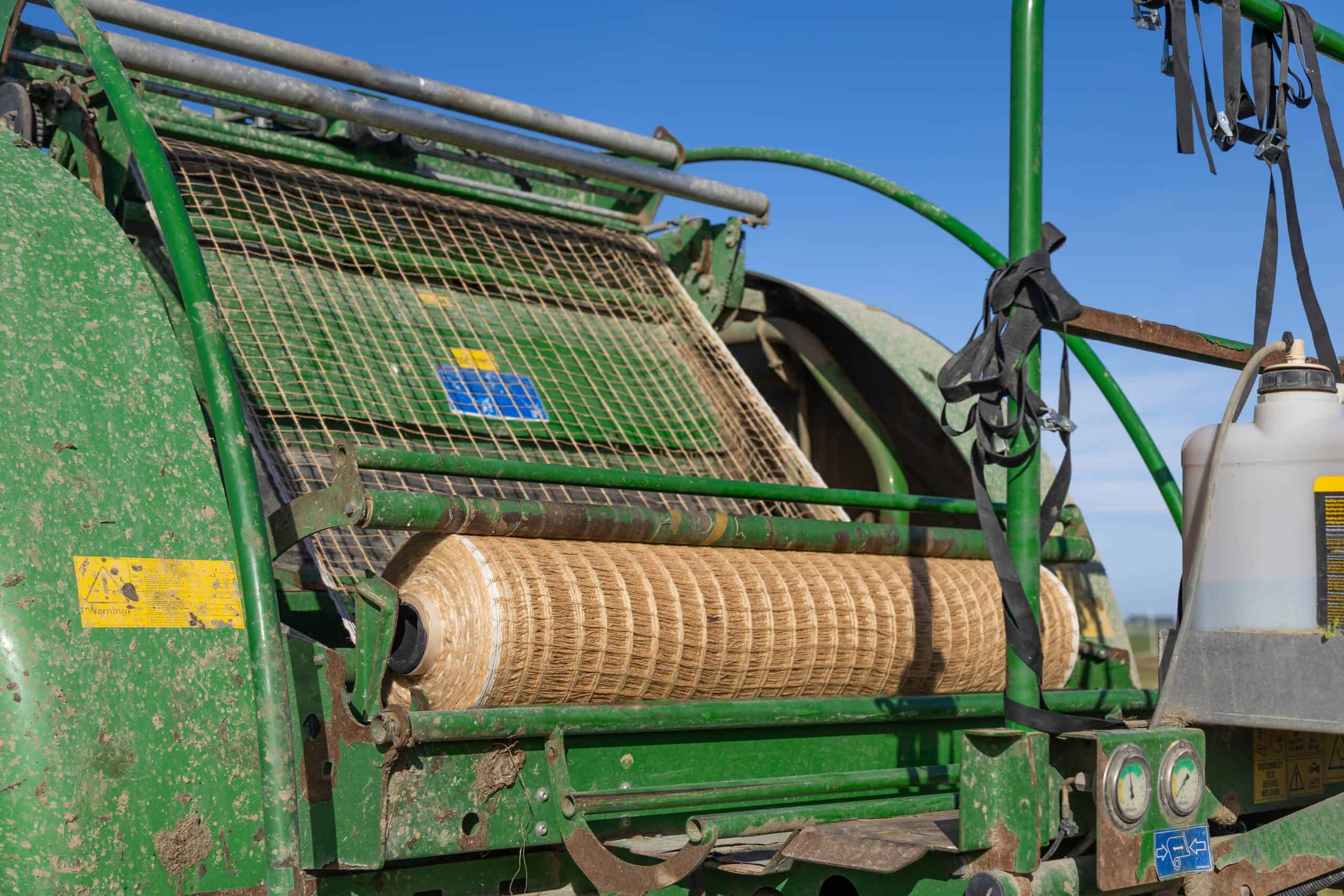
The updated roll design uses reinforced cotton-thread external seams and lighter winding. Early testing has been encouraging, and the NZ launch will help build broader field evidence across more farms, balers, contractors, and conditions.
NEW ZEALAND LAUNCH
NZ launch - 2026 baling season
Kiwi EcoNet is being introduced in New Zealand through a controlled first release. Initial stock is limited, and roll quantity limits may apply so a wider range of farmers and contractors can take part.
NZ$240 + GST per roll
$70 fixed delivery charge within New Zealand
Orders will be reviewed and confirmed before final acceptance.
This first release is intended for farmers & contractors who are comfortable being part of the next stage of real-world validation.
PRODUCT DETAIL
Why the roll is 350m long
The updated Kiwi EcoNet roll is 350m. That is shorter than a typical plastic bale netting roll, and it means more roll changes. However, the significant benefits Kiwi EcoNet offers over plastic netting more than offsets this.
Lighter winding
The updated roll avoids the excessive compression that caused issues in earlier testing.
Improved seam performance
Cotton-thread reinforcement has been added to the external seams for better reliability.
A deliberate trade-off
The shorter roll length supports better handling and performance. It is about long-term practicality, not just maximising metres per roll.
The 350m roll means more roll changes than plastic bale netting rolls. For some contractors, that matters. The first NZ release will help gather wider feedback on how this trade-off works in real baling conditions.
FARMER-INVENTED
A Southland farmer who knew the problem first-hand
Kiwi EcoNet was invented by Southland farmer Grant Lightfoot after years of seeing the problems caused by plastic bale netting - waste, feed-out hassle, and plastic scraps ending up where stock can eat them.
The idea started as a practical farm solution, not a boardroom concept. After years of development, testing, and refinement, Kiwi EcoNet is now being launched in New Zealand through a controlled first release.
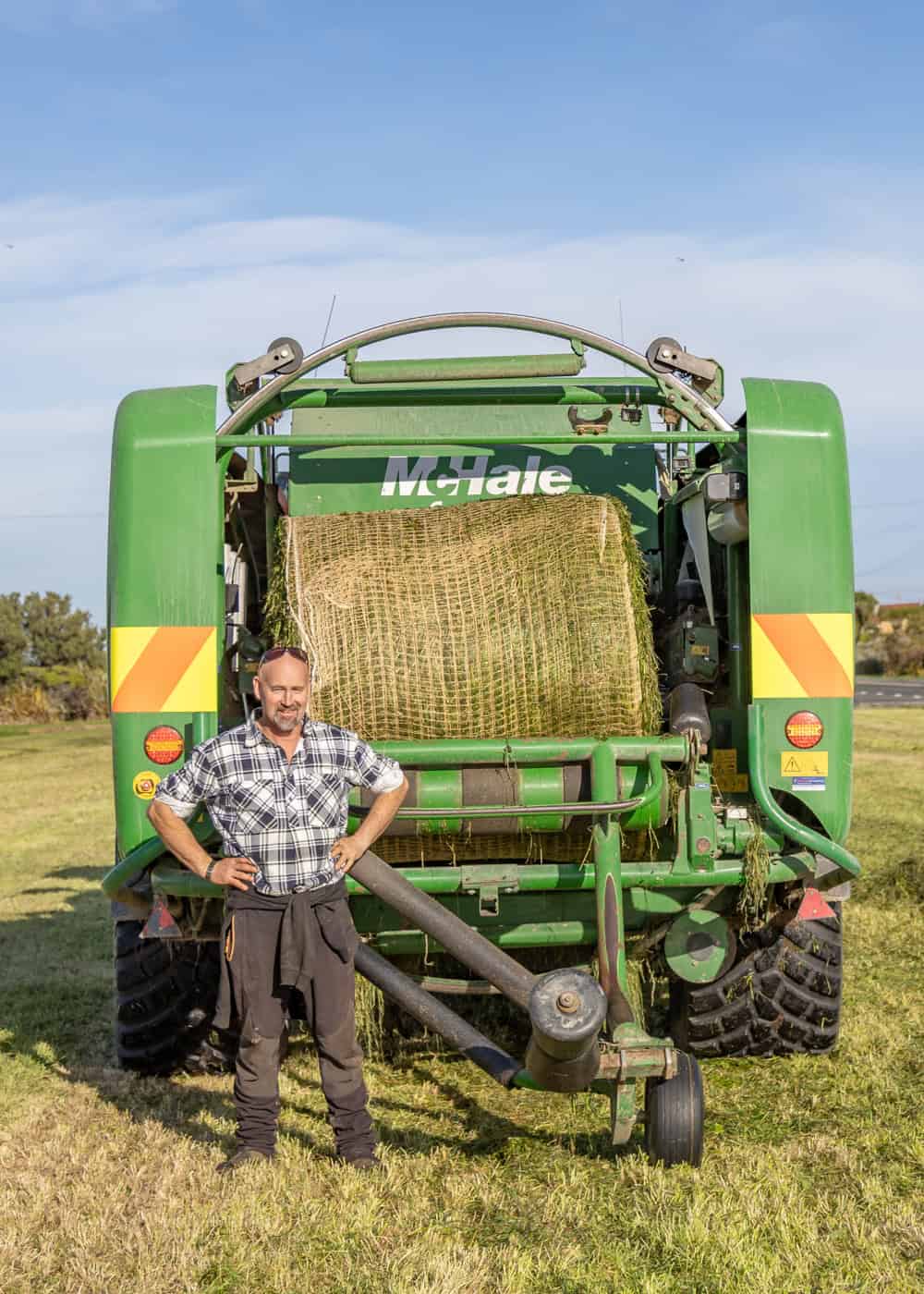
Grant's goal was simple: build a practical product that could work on farms and reduce the plastic problems farmers deal with every season.
RECOGNITION
Recognised, tested, and gaining attention
Kiwi EcoNet has already attracted attention from farmers, contractors, rural media, and international audiences. Recognition helps open doors, but real-world New Zealand use will build the proof that matters most.
Southern Field Days Farm Innovation Awards
Winner of the open section in 2024.
Rural and national media
Covered by New Zealand rural and national media, including the Grant Lightfoot invention story.
International farmer interest
Enquiries have come from markets including the USA, UK, Europe, Australia, Iceland, and Poland.
2026 Earthshot Prize nomination
One of six New Zealand initiatives nominated for the global 2026 Earthshot Prize.
While awards and media interest are encouraging, the next step is practical. Proving Kiwi EcoNet through wider use with New Zealand farmers and contractors.
THE FARM PROBLEM
Why farmers and contractors are looking for an alternative
Traditional plastic bale netting does the job of holding a bale together. The problems often start afterwards - at feed-out, during clean-up, and when plastic scraps are left where stock can eat them.
Plastic problems
Plastic bale netting can break, tangle, blow around, and create long-term clean-up and disposal issues.
Labour and time
Removing plastic netting at feed-out takes time and care, especially when scraps are caught in the bale or left behind.
Stock safety
Plastic scraps in feed can create serious risk if eaten by livestock. That risk is one reason farmers are looking for a better option.
A better option
Kiwi EcoNet gives farmers and contractors a natural fibre alternative designed to reduce plastic hassle while still doing the practical job of bale netting.
The point is not just to use less plastic. It is to reduce the practical problems plastic creates on farms.
INTERNATIONAL AVAILABILITY
International interest.
New Zealand launch first.
We are already receiving interest from farmers and contractors overseas. That tells us the problem with plastic bale netting is not just a New Zealand issue.
For now, our focus is New Zealand first. The controlled launch will help prove supply, performance, contractor feedback, and field results before wider international release.
We do not currently expect supply outside New Zealand until 2027.
International enquiries include:
Registering your interest helps us plan future distribution.
COMMON QUESTIONS
Questions farmers and contractors usually ask first
Here are the short answers. We’ll continue adding detail as the New Zealand launch gathers more field feedback.
No. Kiwi EcoNet is bale netting. It replaces traditional plastic bale netting used to hold the bale together after rolling. It is not the plastic film used to wrap bales for weather protection or silage.
Kiwi EcoNet is designed to run through standard baling machinery and has been tested in baling conditions. The NZ launch will help gather broader feedback across more machines, contractors, and conditions.
The updated roll is 350m to support lighter winding, better handling, and improved seam performance. It means more roll changes than a plastic bale netting roll, and we are upfront about that.
Approximately 40 bales per roll, depending on bale size and baler settings.
For bales stored outside, current weather protection practices still apply. If plastic film is normally required for outdoor storage or silage, it may still be required after baling.
Not yet. Kiwi EcoNet is launching in New Zealand first. We do not currently expect supply outside New Zealand until 2027, but international visitors can join the waitlist for updates.
Kiwi EcoNet has been developed, tested, refined, and supported by encouraging early results. The upcoming NZ launch is the next stage of wider real-world validation with more farmers, contractors, balers, and conditions.
Need more detail before reserving stock?
Ready to take the next step?
Whether you are in New Zealand or overseas, choose the path that fits where you are.
NEW ZEALAND LAUNCH
Reserve NZ stock
Kiwi EcoNet is launching in New Zealand first through a controlled release for the upcoming 2026 baling season. Initial stock is limited and roll quantity limits may apply.
Outside NEW ZEALAND
Join the international waitlist
We do not currently expect supply outside New Zealand until 2027, but overseas interest helps us plan future distribution.
Questions before registering? View the FAQ or contact the EcoNet Store team.
© Copyright 2026. All rights reserved.
PO Box 301935, Albany, Auckland, 0752, New Zealand