
September 29, 2025
Across New Zealand and Australia, round bales wrapped in plastic netting are a common sight. The mesh is tough, reliable, and keeps hay and silage compact until it’s time to feed out. But there’s a hidden danger: livestock ingesting plastic bale netting. What seems like a small issue can lead to serious animal health problems, unexpected costs, and environmental challenges.
Plastic in the Rumen: A Vet’s Perspective
Veterinary experts and farm advisors are clear: always remove all net wrap and twine before feeding. When plastic enters the rumen, it cannot be digested. Over time, fragments build up, causing blockages that restrict feed passage.
Cattle, sheep, and horses are all at risk. Symptoms can include reduced appetite, weight loss, and in severe cases, death. Post-mortems have revealed blockages the size of basketballs lodged in the rumen - a tragic but avoidable outcome.
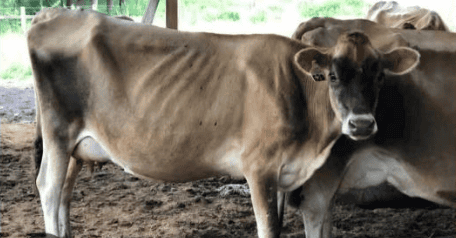
Cow that died from eating plastic wrap
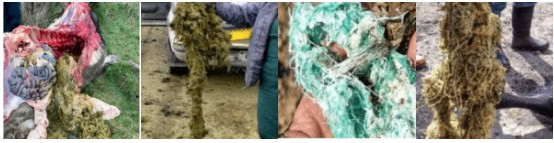
Pictures from autopsy by vet reveal un-digested plastic wrap was the cause of death.
Environmental Consequences Beyond the Farm Gate
Plastic netting doesn’t just endanger livestock; it creates lasting environmental issues too:
- Microplastics: As netting breaks down, fragments contaminate soil and waterways.
- Disposal Costs: Collection, storage, and landfill or recycling add labour and expense.
- Public Perception: Agriculture is under pressure to cut down on plastic waste. Export markets and consumers increasingly expect sustainable farming practices.
A Safer Way Forward
This is where Kiwi-EcoNet bale netting makes the difference. Unlike plastic, Kiwi-EcoNet is:
- Edible and digestible - safe if consumed by livestock.
- Nutritious - tested to contain beneficial nutrients.
- Non-toxic - free from harmful heavy metals.
- Eco-friendly -100% biodegradable, breaking down naturally without polluting soil or waterways.
Farmers using Kiwi-EcoNet can avoid the hassle of removing wrap and gain peace of mind knowing their stock are safe.
Plastic net wrap has served farmers for decades, but it comes with risks to animal health, efficiency, and the environment. By switching to Kiwi-EcoNet, farmers can protect their herds, save time at feed-out, and help build a cleaner future for agriculture.