
FAQ
Questions about Kiwi EcoNet
Find practical answers about Kiwi EcoNet, including what it is, how it is used, New Zealand launch pricing and delivery, and future international availability.
Some product details are still being finalised for the New Zealand release. Where information is not yet confirmed, we’ll say so clearly.
PRODUCT BASICS
What Kiwi EcoNet is
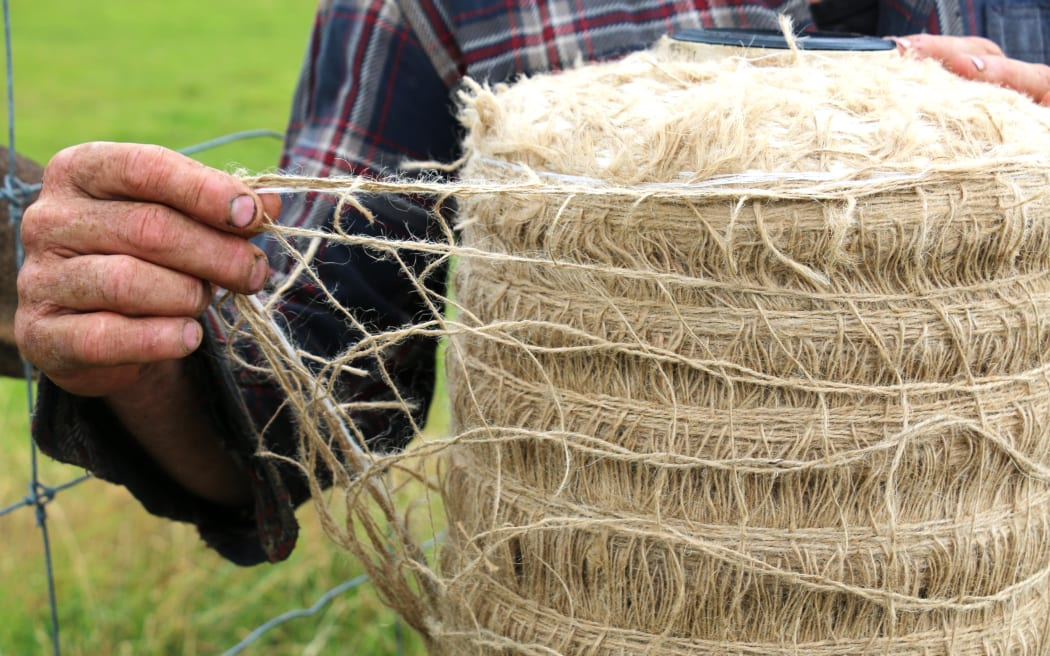
Kiwi EcoNet is natural fibre bale netting designed as a practical alternative to traditional plastic bale netting.
Kiwi EcoNet is natural fibre bale netting designed to hold hay, straw, or similar bales together after baling. It has been developed as an alternative to traditional plastic bale netting.
Kiwi EcoNet is designed to replace traditional plastic bale netting. It does not replace plastic bale wrap film used for silage, balage, or outdoor weather protection.
No. Kiwi EcoNet is bale netting, not bale wrap film. Bale netting holds the bale together after baling. Bale wrap film is a separate plastic film layer used for silage, balage, or outdoor storage where weather protection is required.
Kiwi EcoNet is made from natural jute fibre with cotton thread reinforcement. More detailed material specifications are still being finalised for the first New Zealand release.
Traditional plastic bale netting can create problems after baling, especially at feed-out and disposal. Kiwi EcoNet replaces that plastic netting layer with natural fibre bale netting, so there is no plastic bale netting from the bale to strip off, collect, store, recycle, or send to landfill.
Kiwi EcoNet is now moving into its first wider New Zealand release. It has been tested in baling conditions, and the launch will help gather further practical feedback from farmers and contractors across different balers, locations, and storage conditions.
BALER USE & HANDLING
Using Kiwi EcoNet through baling machinery
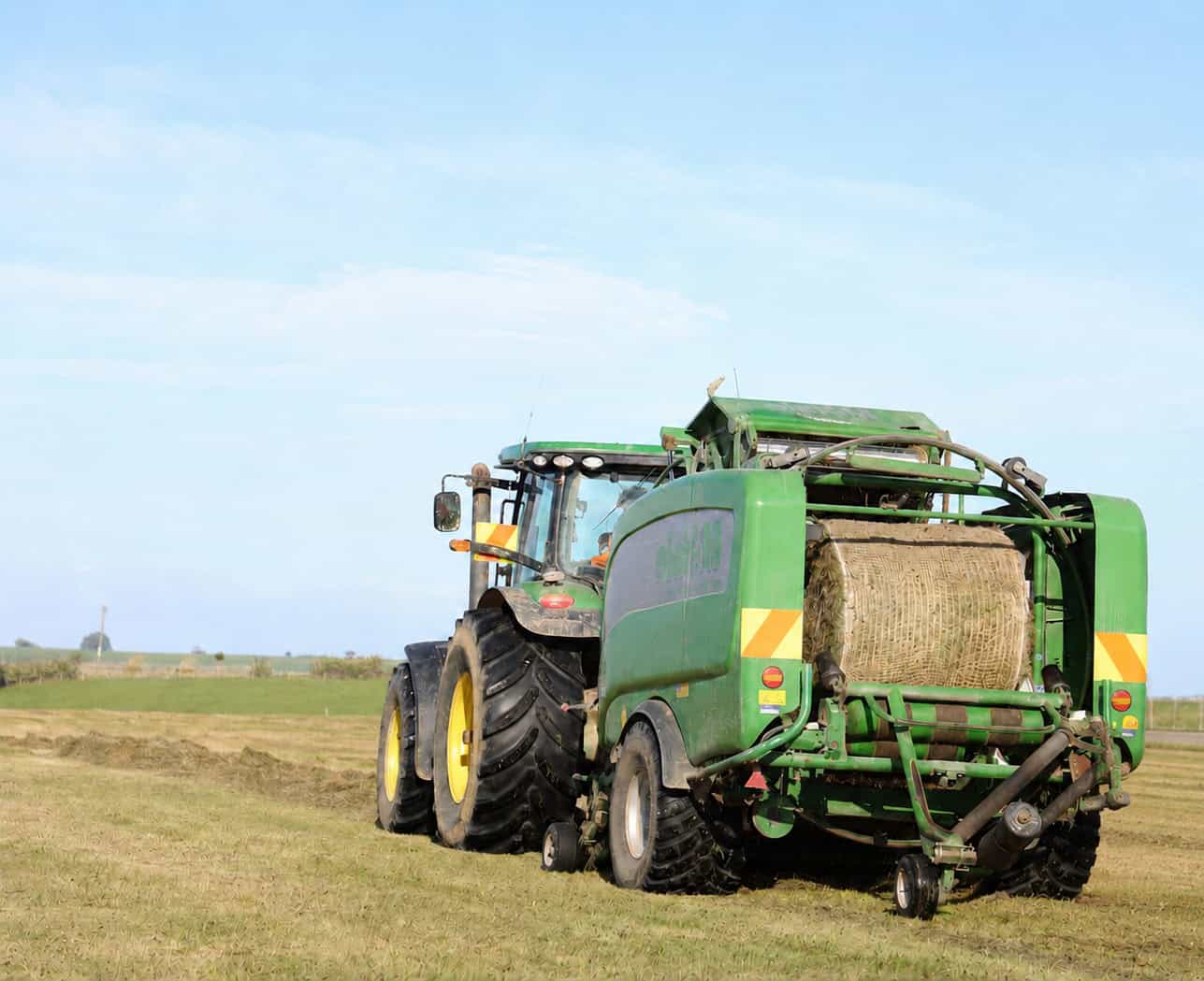
Kiwi EcoNet is designed to run through standard baling machinery. Because it is made from natural fibre rather than plastic nylon, handling and roll-change expectations are different from conventional plastic bale netting.
Kiwi EcoNet is designed to run through standard baling machinery and has been tested in baling conditions. More specific baler guidance will be added as confirmed information becomes available.
Kiwi EcoNet is made from natural jute fibre, which is bulkier than plastic nylon netting. The 350m roll length reflects the size and weight needed to fit standard balers while keeping the roll practical to handle.
Yes. The 350m roll means more roll changes at baling time compared with longer plastic bale netting rolls. The benefit comes later: less plastic to remove, collect, store, recycle, or dispose of at feed-out.
Yes. Kiwi EcoNet is a natural fibre product, so it may handle differently from plastic nylon netting. Farmers and contractors should expect some differences in roll handling, roll changes, and setup compared with conventional plastic bale netting.
Kiwi EcoNet is designed for use through standard baling machinery and has been tested with a range of balers. Operators should load and operate it according to the baler manufacturer’s normal process.
As with any baling job, settings may need to be adjusted depending on the crop, bale density, moisture conditions, operator preference, and other field factors.
Yes. Kiwi EcoNet is intended for use by both farmers and baling contractors. Contractors should be aware that the 350m roll length means more roll changes than longer plastic bale netting rolls, so job planning and customer expectations may need to allow for that.
FEED-OUT, LIVESTOCK & DISPOSAL
What happens after the bale is made
A key reason farmers are interested in Kiwi EcoNet is what happens after baling - especially at feed-out, around livestock, and when used plastic netting would normally need to be collected or disposed of.
Kiwi EcoNet is designed to reduce the risk created by plastic bale netting scraps being left in feed or paddocks. As a natural fibre bale netting product, it is intended to reduce the risks associated with plastic netting scraps around livestock. Farmers should still use normal care when feeding out and managing used bale material.
Kiwi EcoNet is not feed and should not be treated as feed. The purpose of the product is to reduce the risk associated with plastic bale netting if material is accidentally left around livestock. Normal feed-out care should still be used.
Yes. With Kiwi EcoNet, there is no plastic bale netting to strip off, collect, or dispose of at feed-out. Farmers should still use practical judgement when feeding out, as methods may vary depending on bale type, crop, livestock, and farm practice.
Traditional plastic bale netting has to be collected, stored, recycled, or sent to landfill. Kiwi EcoNet reduces the amount of used plastic bale netting that needs to be managed after baling.
Kiwi EcoNet is made from natural jute fibre with cotton thread reinforcement. More detailed biodegradability, composting, and end-of-life guidance is still being finalised, so we are not making specific claims until confirmed information is available.
Detailed end-of-life guidance is still being finalised. Kiwi EcoNet is a natural fibre product, but farmers should continue to follow good farm practice and any local disposal or environmental requirements.
NZ LAUNCH, PRICING & DELIVERY
New Zealand release details
Kiwi EcoNet is launching in New Zealand first for the upcoming baling season. The first release is being managed carefully so EcoNet Store can support early users and confirm availability before reservations are finalised.
The New Zealand launch price is NZ$240 + GST per roll.
Delivery within New Zealand is NZ$70 + GST per order.
The current New Zealand launch roll is 350m.
Current guidance is approximately 40 bales per roll, depending on bale size, wrapping settings, and baler setup.
Not in the usual retail sense. For the first New Zealand release, farmers and contractors are asked to submit a reservation request. EcoNet Store will then contact you to confirm availability, delivery details, and next steps before your reservation is finalised.
No. Submitting a reservation request does not guarantee supply. EcoNet Store will review requests, confirm available stock, and contact customers before reservations are finalised.
Yes. You can tell us the number of rolls you would ideally like. Because initial New Zealand stock is limited, EcoNet Store may discuss staged supply, partial allocation, or future availability if demand exceeds available stock.
Delivery details will be confirmed with each customer before the reservation is finalised. Please include clear delivery instructions when submitting your reservation request, especially for rural or farm-gate delivery.
INTERNATIONAL AVAILABILITY
For farmers and rural businesses outside New Zealand
Kiwi EcoNet is attracting interest from overseas, but international supply is not available yet. The product is launching in New Zealand first before wider international availability is considered.
Not yet. Kiwi EcoNet is launching in New Zealand first, and international supply is not currently expected until 2027.
Kiwi EcoNet began as a New Zealand farming innovation. Launching here first allows EcoNet Store to support early users, gather practical feedback, and build better information before wider international supply is opened up.
Yes. Farmers, contractors, distributors, resellers, and rural businesses outside New Zealand can join the international waitlist to receive updates as future availability becomes clearer.
No. Joining the international waitlist does not create an order, reservation, or guarantee of supply. It helps EcoNet Store understand future demand and keep interested people updated.
International supply is not currently expected until 2027. Timing will depend on supply capacity, freight, market demand, distribution arrangements, and what is learned from the New Zealand launch.
No international pricing has been confirmed yet. Pricing will depend on freight, duties, local distribution costs, market requirements, and future supply arrangements.
Yes. Distributors, resellers, and agricultural businesses can join the international waitlist and note their interest in future distribution or reseller opportunities.
Still have questions - or ready to take the next step?
New Zealand farmers and contractors can reserve stock for the upcoming baling season. International visitors can join the waitlist for future supply updates.
© Copyright 2026. All rights reserved.
PO Box 301935, Albany, Auckland, 0752, New Zealand