
PRODUCT
Jute bale netting for practical farm use
Kiwi EcoNet is a practical alternative to traditional plastic bale netting for farmers who want less plastic to manage at feed-out and disposal.
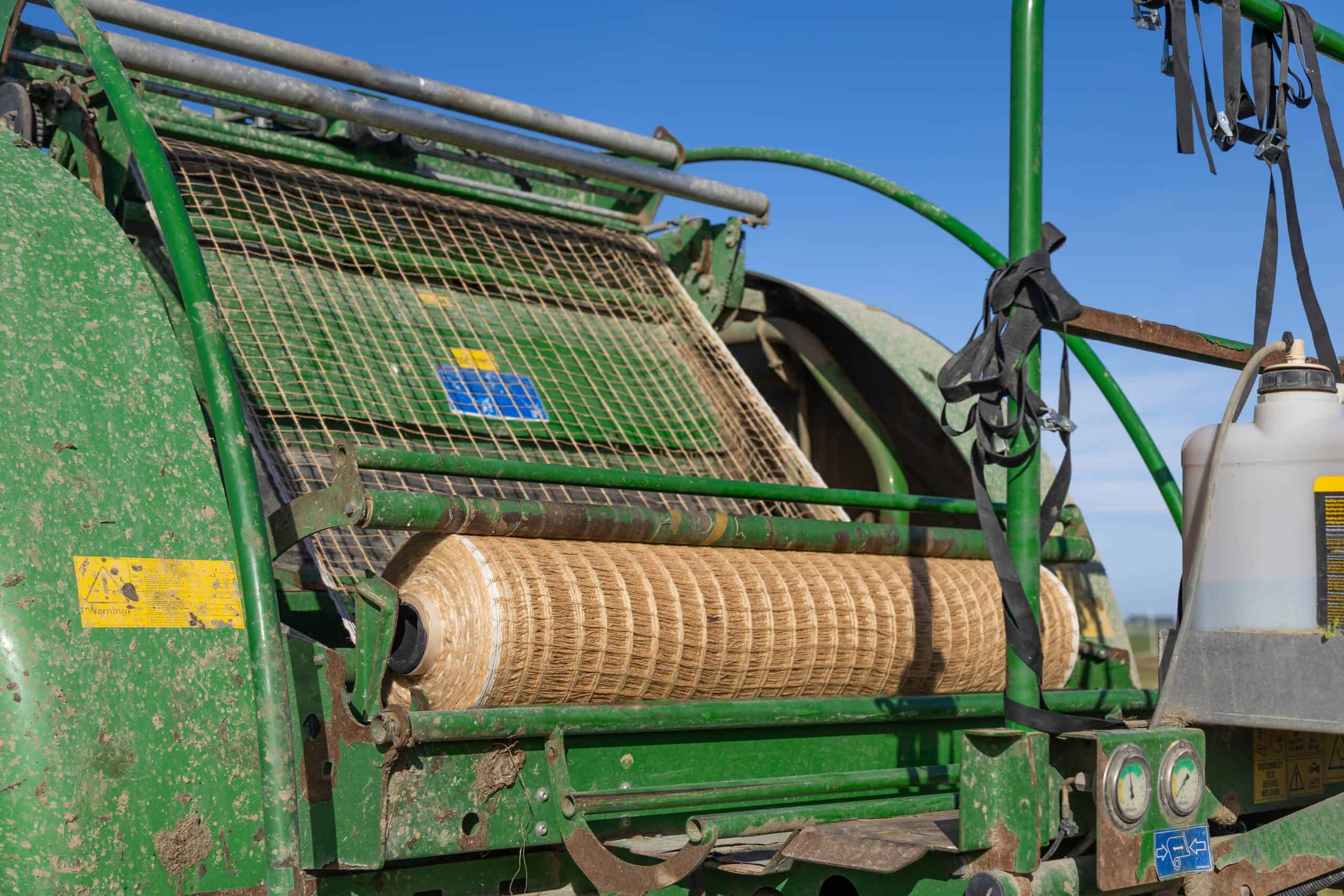
WHAT IT IS
A natural fibre alternative to plastic bale netting
Kiwi EcoNet is bale netting used to hold hay, straw, baleage, or similar bales together after baling.
It is designed to replace traditional plastic bale netting, not plastic bale wrap film. If your bales normally require film wrapping for outdoor storage, silage, or baleage, that process still applies.
The product is made primarily from natural jute fibre, with cotton keeper thread used to strengthen the edges and help reduce fraying. The jute is conditioned with edible plant-based oil.
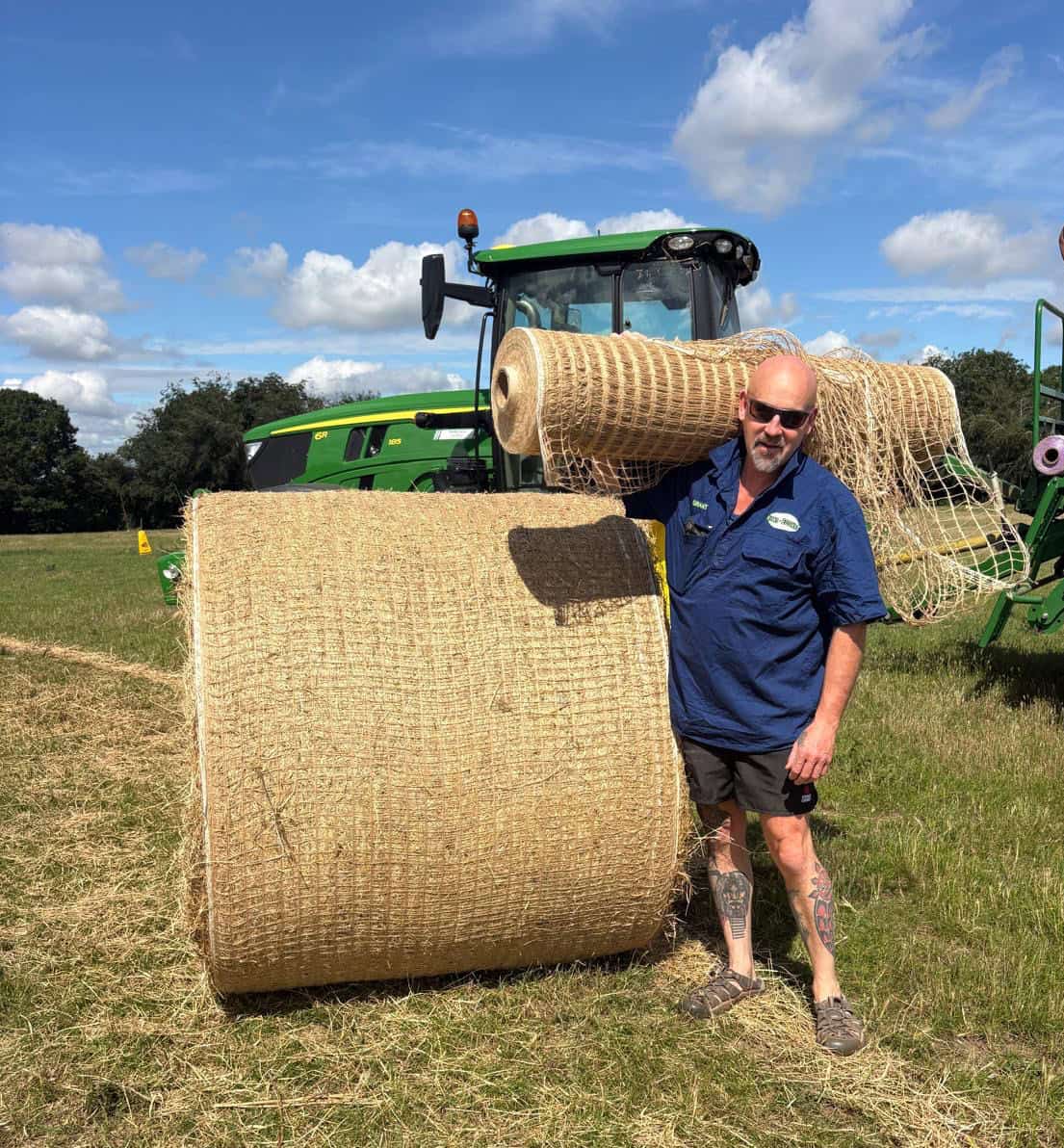
PRODUCT DETAILS
Key details at a glance
Product type:
Natural fibre bale netting
Roll length:
350m
Roll width:
1230mm
Roll diameter:
300mm
Approx. roll weight:
29kg
Material:
Natural jute fibre
Edge reinforcement:
Cotton keeper thread to help reduce edge fraying
Conditioning:
Edible plant-based oil
Packaging:
Supplied in a jute bag
NZ launch price:
NZ$240 + GST per roll
Delivery price:
NZ$70 + GST fixed delivery within New Zealand
ROLL SIZE & BALER USE
Designed for practical baler fit
Kiwi EcoNet is supplied in a standard baler-compatible width and diameter: 1230mm wide and 300mm in diameter.
Because it is made from natural jute fibre rather than plastic nylon, the roll length is 350m. Natural fibre is bulkier than plastic netting, so the product has different roll-change and handling expectations.
Operators should load and adjust the baler according to the baler manufacturer’s normal process and the conditions being baled.
Bale numbers per roll will vary depending on bale size, crop type, moisture level, baler setup, and the amount of netting applied.
The 350m roll means more roll changes at baling time than longer plastic bale netting rolls. The benefit comes later: no plastic bale netting to strip off, collect, store, recycle, or dispose of at feed-out.
Standard baler-compatible size
The current roll is 1230mm wide and 300mm in diameter, designed around practical use in standard baling machinery.
Natural fibre handling
Jute is bulkier than plastic nylon, so a 350m roll is a practical format for fit, weight, and handling.
Operator adjustment
Baling operators already adjust for crop, moisture, bale type, and conditions. Kiwi EcoNet should be loaded and adjusted according to the baler manufacturer’s normal process.
FEED-OUT & DISPOSAL
Less plastic to manage after baling
Traditional plastic bale netting does the job of holding the bale together, but the problems often come later - at feed-out, during clean-up, and when used plastic has to be collected or disposed of.
Kiwi EcoNet is designed to reduce those plastic-related problems by replacing the plastic bale netting layer with natural fibre bale netting.
Saves time & effort
No plastic bale netting to strip off, collect, and keep away from feed means feed-out is easier.
Stock safety
No plastic bale netting scraps from bales ending up in feed or paddocks that can be ingested by stock.
Less disposal burden
No used plastic bale netting to collect, store, recycle, or send to landfill saves time and money.
STORAGE & WEATHER
A natural fibre product needs practical storage
Being made from natural jute fibre, means Kiwi EcoNet should be treated differently from plastic nylon netting.
Before use, rolls should be stored under cover and protected from prolonged exposure to weather, sunlight, moisture, or chemicals. Once baled, normal farm storage practices still apply.
Kiwi EcoNet is bale netting, not weatherproof film wrap. If bales are normally film wrapped for outdoor storage, silage, or baleage, that process still applies.
Store rolls under cover
Keep rolls protected before use, as you would with other farm inputs that need to stay dry and clean.
Protect from prolonged exposure
As a natural fibre product, Kiwi EcoNet should not be left exposed for long periods to weather, sunlight, moisture, or chemicals.
Continue normal wrapping practice
If bales are usually film wrapped or otherwise protected for outdoor storage, continue using that process.
IMPORTANT USAGE NOTES
A few practical things to know
Kiwi EcoNet is a natural fibre bale netting product. It is designed to be practical for farmers and contractors, but it should not be treated exactly the same as conventional plastic bale netting.
Sold by roll length
Each roll contains 350m of bale netting. The number of bales per roll will vary depending on bale size, crop type, moisture level, baler setup, and the amount of netting applied.
Natural fibre handling
Kiwi EcoNet is made primarily from jute, so it is bulkier than plastic nylon netting and may handle differently during baling.
Normal operator judgement applies
Baling operators should load and adjust the baler according to the baler manufacturer’s normal process and the conditions being baled.
Not weatherproof film wrap
Kiwi EcoNet replaces the netting layer. It does not replace film wrapping where film is normally required for outdoor storage, silage, or baleage.
EcoNet Store will continue to update product guidance as supplier information and New Zealand field feedback become available.
PRODUCT FAQ
Common product questions
A few practical answers about Kiwi EcoNet roll format, baler use, feed-out, and storage.
Kiwi EcoNet replaces traditional plastic bale netting. It does not replace plastic bale wrap film used for silage, baleage, or outdoor weather protection.
Approximately 40 bales. Each roll contains 350m of bale netting. The number of bales per roll will vary depending on bale size, crop type, moisture level, baler setup, and the amount of netting applied.
Kiwi EcoNet is supplied in a standard baler-compatible width and diameter. Operators should load and adjust the baler according to the baler manufacturer’s normal process and the conditions being baled.
Kiwi EcoNet is made primarily from natural jute fibre, which is bulkier than plastic nylon netting. The 350m roll length reflects the practical size and weight needed for baler fit, handling, and use.
With Kiwi EcoNet, there is no plastic bale netting to strip off, collect, or keep out of feed at feed-out. That can save time and reduce the risk of plastic netting scraps being left where stock can eat them.
Before use, rolls should be stored under cover and protected from prolonged exposure to weather, sunlight, moisture, or chemicals. If bales are normally film wrapped for outdoor storage, silage, or baleage, that process still applies.
The New Zealand launch price is NZ$240 + GST per roll, plus NZ$70 + GST fixed delivery within New Zealand.
Need more detail? Visit the full FAQ page for answers about NZ reservations, pricing, delivery, and international availability.
Ready to take the next step?
Kiwi EcoNet is launching in New Zealand first. Whether you’re ready to reserve NZ stock or want future international updates, choose the path that fits you.
New Zealand farmers & contractors
Reserve Kiwi EcoNet for the upcoming NZ baling season and we’ll contact you to confirm availability, delivery, and next steps.
Outside New Zealand
Join the international waitlist for future supply updates as the New Zealand launch progresses and international availability becomes clearer.
© Copyright 2026. All rights reserved.
PO Box 301935, Albany, Auckland, 0752, New Zealand