
OUR STORY
From a Southland farm problem to a natural fibre bale netting alternative
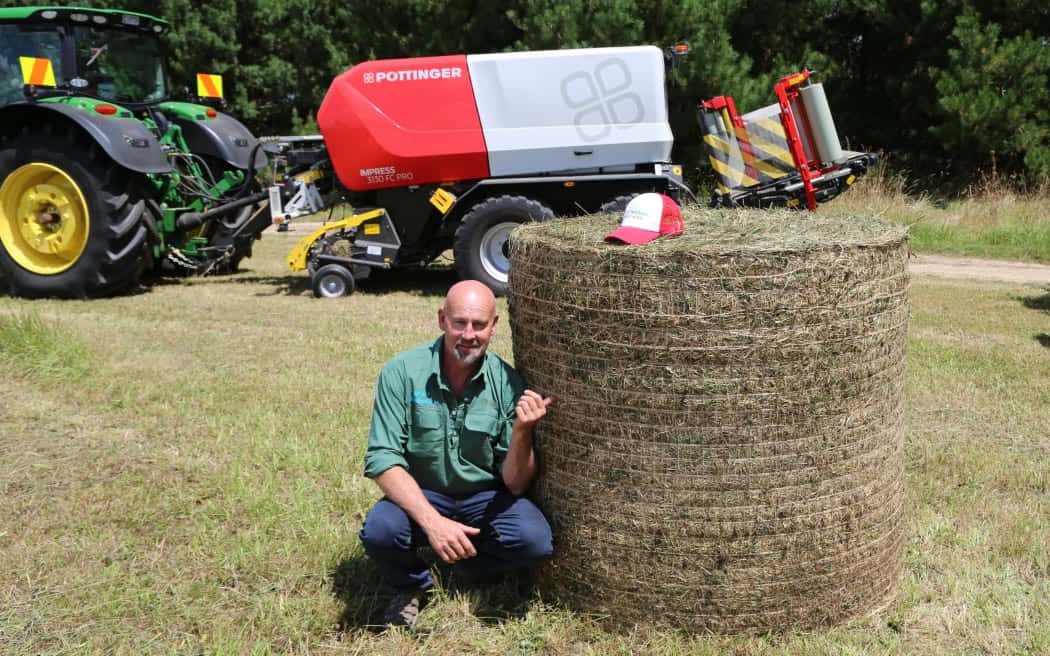
Kiwi EcoNet began with a practical problem many farmers understand: plastic bale netting does the job during baling, but creates risk, waste, and extra work afterwards.
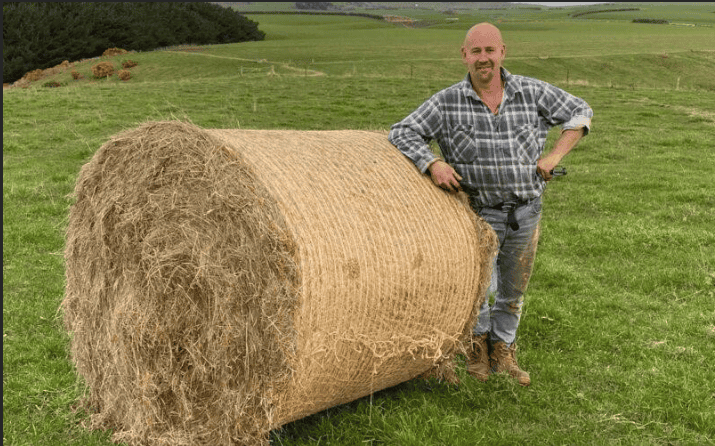
Developed by Southland farmer Grant Lightfoot, Kiwi EcoNet is now being introduced through EcoNet Store as a natural fibre bale netting option for farmers and contractors.
THE FARM PROBLEM
Plastic bale netting solves one problem, then creates another
Plastic bale netting is widely used because it is familiar, strong, and practical at baling time. But once the bale is made, the problems often start.
At feed-out, plastic netting has to be removed carefully and kept away from livestock. Scraps can end up in feed, paddocks, or disposal piles. Used plastic then has to be collected, stored, recycled, or sent to landfill.
Kiwi EcoNet was developed because farmers need a better option - one that still works in a practical farming system, but reduces the plastic problem afterwards.
Stock risk
Plastic scraps left in feed or paddocks can create serious risk if eaten by livestock.
Feed-out work
Removing plastic netting at feed-out takes time and care to keep it out of feed.
Disposal burden
Used plastic netting still has to be collected, stored, recycled, or sent to landfill.
Click to play
THE INVENTION
A farmer-led idea, developed the hard way
Kiwi EcoNet was developed by Southland farmer and inventor Grant Lightfoot after seeing the problems plastic bale netting could create on farm.
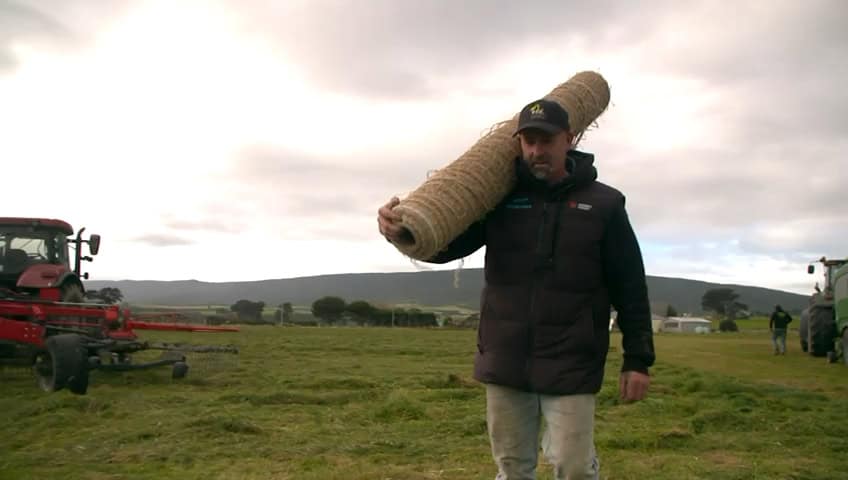
The early development was hands-on and practical. It involved testing materials, working through failures, and refining the idea until a natural fibre bale netting product could be trialled through standard baling machinery.
The result is Kiwi EcoNet - a natural fibre bale netting alternative designed to reduce plastic use, lower stock risk, and make feed-out cleaner.
INTERNATIONAL INTEREST
From Southland to international attention
What began as a Southland farm solution is now attracting attention well beyond New Zealand.
Grant Lightfoot has taken Kiwi EcoNet to agricultural audiences overseas, including major UK farming events, where the product has generated interest from farmers, rural businesses, and people looking for practical ways to reduce plastic in farming.
That international interest reinforces what EcoNet Store is already seeing through overseas enquiries: the plastic bale netting problem is not unique to New Zealand.
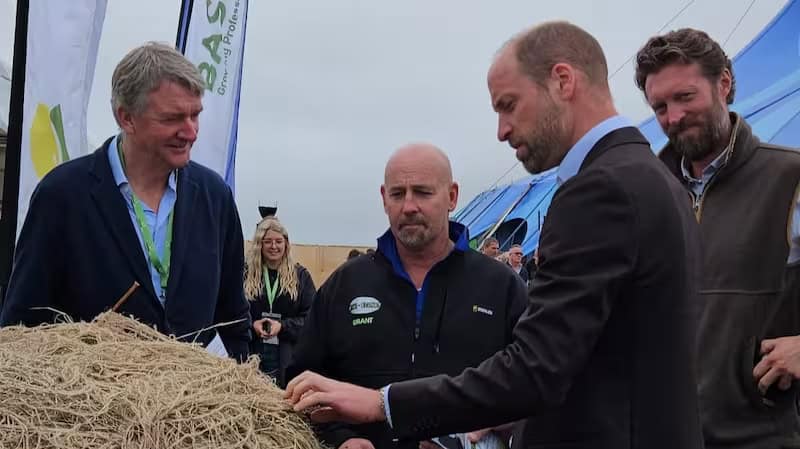
Prince William checking out Kiwi EcoNet during a UK agricultural event.
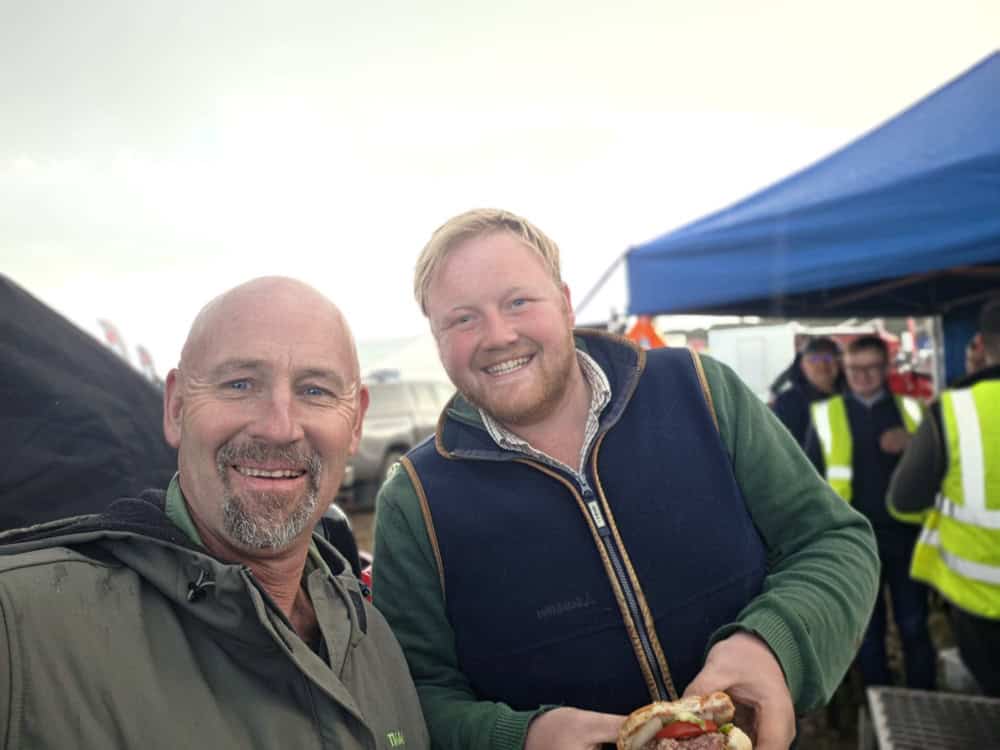
Grant Lightfoot with Kaleb Cooper at the 2026 Cereals Arable Event where Kiwi EcoNet was demonstrated
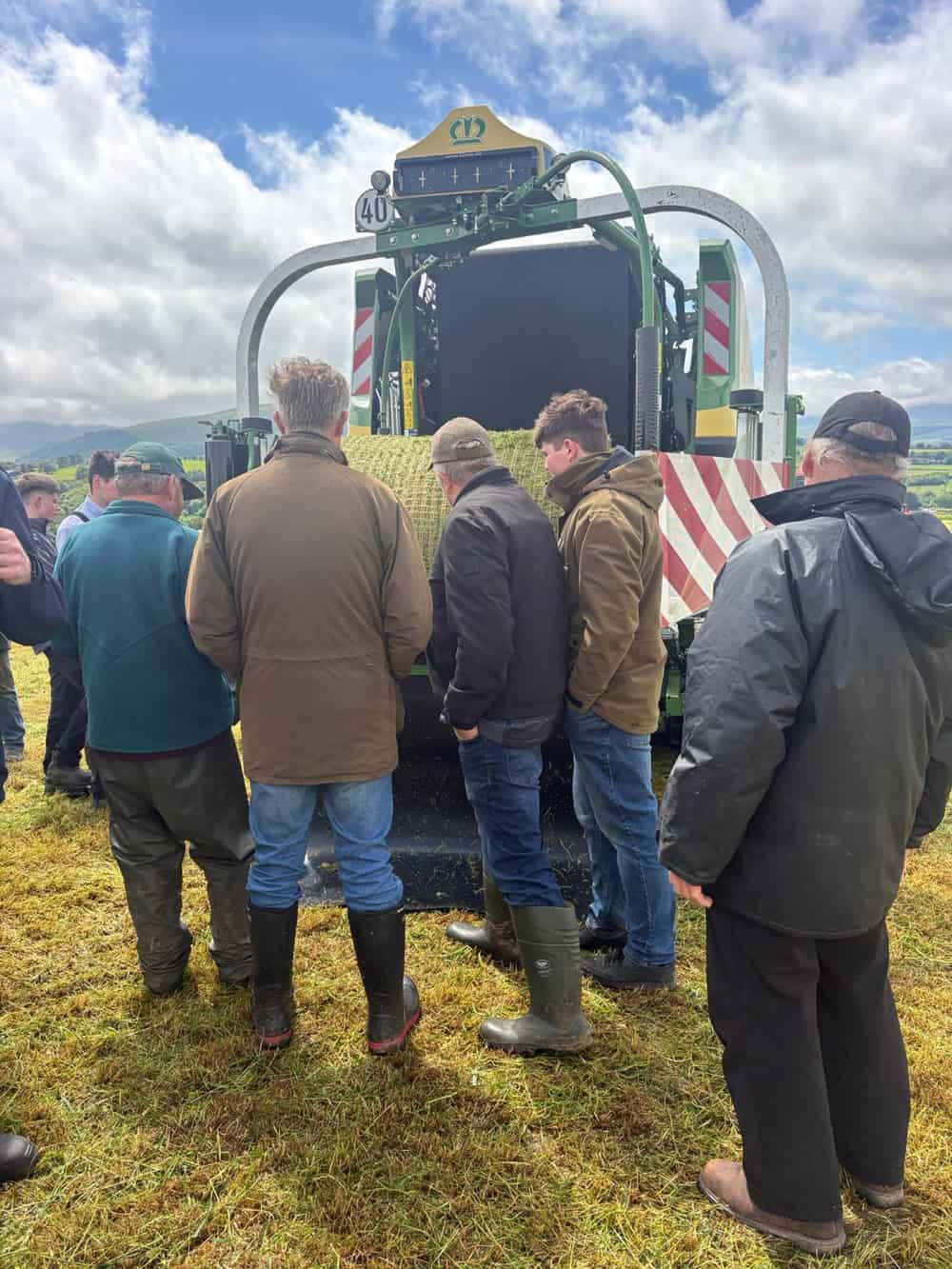
KiwiEcoNet attracted strong interest from UK farmers attending the 2026 Cereals Arable Event
ECONET STORE
Bringing Kiwi EcoNet to market
EcoNet Store is the international distributor of Kiwi EcoNet. We are the launch and distribution platform helping introduce Kiwi EcoNet to farmers and contractors in New Zealand and international markets.
EcoNet Store was set up by John Borsboom, Mike Davies, and Mark Sceats to help bring Kiwi EcoNet to farmers and contractors through a practical, commercially responsible launch.
Our role is to support the release of Kiwi EcoNet, manage farmer and contractor enquiries, coordinate supply, and communicate clearly about what the product is, where it is available, and what early users need to know.
Kiwi EcoNet is launching in New Zealand first. That gives EcoNet Store the opportunity to support early users properly, gather practical feedback, and build a stronger base for future availability.
The people behind EcoNet Store

John Borsboom
Co-Founder
John heads up the EcoNet Store team. He works closely with both suppliers and farmers.

Mike Davies
Co-Founder
Mike supports launch planning, commercial development, and farmer engagement.

Mark Sceats
Co-Founder
Mark manages the website, enquiry process, systems, and launch communication.
Together, with Grant Lightfoot, the team’s focus is simple: introduce Kiwi EcoNet honestly, support early users properly, and build a practical path for future supply.
NEW ZEALAND FIRST
Starting where the product began
Kiwi EcoNet began as a New Zealand farming innovation, so New Zealand is the right place for the first wider release.
Launching here first allows EcoNet Store to support early users, manage initial supply carefully, and learn from practical use across New Zealand farms and contractors before wider international availability is opened up.
Support early users properly
The New Zealand release gives EcoNet Store the opportunity to work closely with farmers and contractors as they begin using Kiwi EcoNet.
Learn from real field use
Feedback from different farms, baler setups, regions, and storage conditions will help build a clearer picture of how the product performs in practical use.
Plan future supply responsibly
Starting in New Zealand helps build the information, systems, and supply confidence needed before wider international availability is considered.
International supply is not currently expected until 2027, but overseas farmers, contractors, distributors, and rural businesses can join the international waitlist for updates.
Ready to take the next step?
Kiwi EcoNet is launching in New Zealand first. Whether you’re ready to reserve NZ stock or want future international updates, choose the path that fits you.
New Zealand farmers & contractors
Reserve Kiwi EcoNet for the upcoming NZ baling season and we’ll contact you to confirm availability, delivery, and next steps.
Outside New Zealand
Join the international waitlist for future supply updates as the New Zealand launch progresses and international availability becomes clearer.
© Copyright 2026. All rights reserved.
PO Box 301935, Albany, Auckland, 0752, New Zealand